Heating with a Wood Pellet Burner – Efficiency, Sustainability, and Smart Manufacturing
Heating with a wood pellet burner is no longer an exotic luxury — it’s a practical, efficient, and increasingly sustainable solution for homes, businesses, and even small industries. But beyond just the stove or burner itself, innovation in pellet production is transforming the value proposition. In this post, we explore how wood pellet burners work, what makes them compelling, and why choosing the right wood pellet making machine manufacturer is critical. We’ll also highlight gaps often ignored in competitor content, such as Humphrey & Crockett’s, and provide updated insights.
What Is a Wood Pellet Burner?
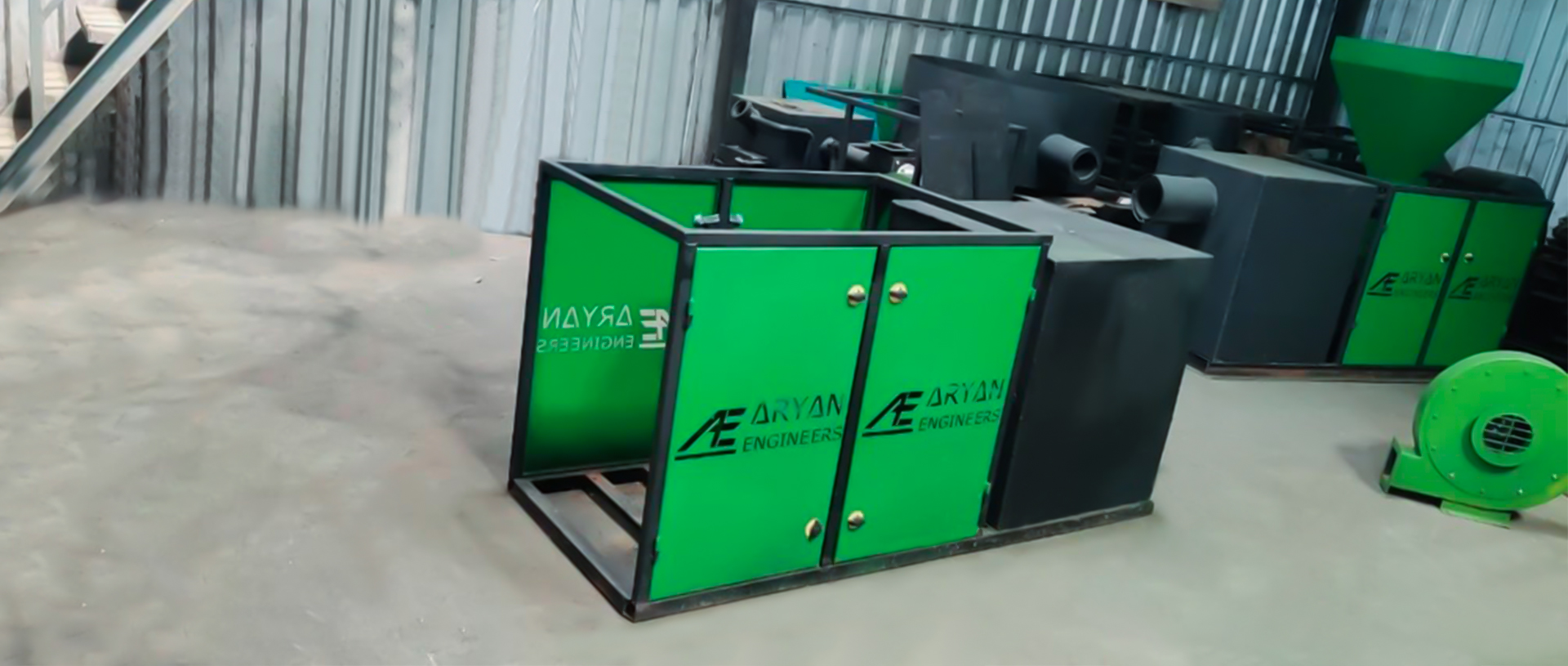
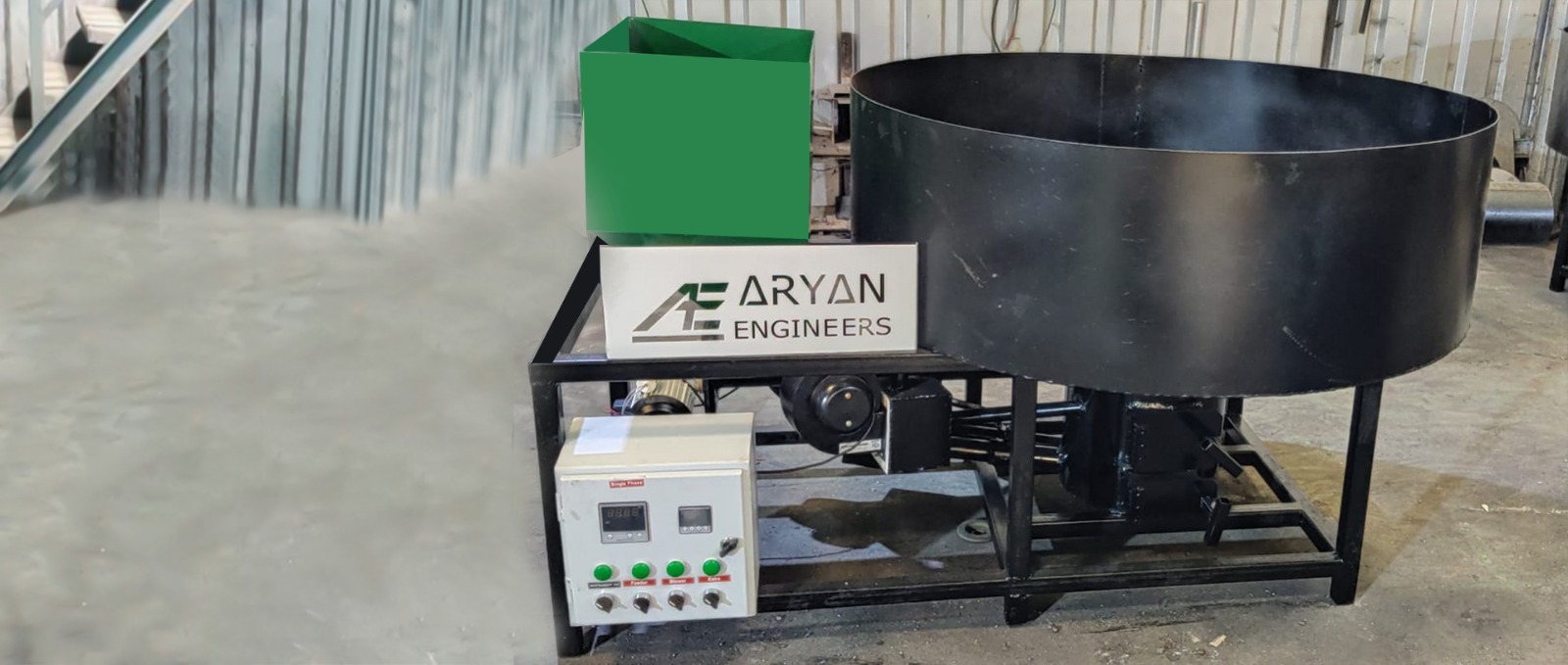
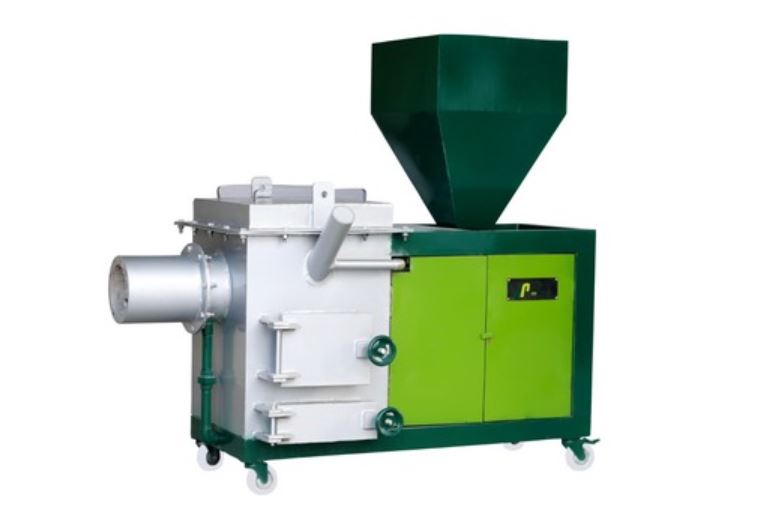
A wood pellet burner is a type of heating appliance that burns compressed wood (or biomass) pellets to produce heat. Compared to traditional wood-burning, pellet burners offer:
- Higher efficiency: Because the pellets are low in moisture and uniformly shaped, combustion is more complete, reducing wasted fuel and smoke.
- Cleaner emissions: Fine particulates, smoke, and CO emissions are substantially lower than with open wood fires or untreated wood stoves.
- Ease of use: Many pellet burners have automated feeding (hopper + auger), thermostatic control, and automatic ignition.
- Flexible fuel sourcing: Wood pellets can be made from sawdust, wood chips, forestry residues, or other biomass.
While many competitor sites like Humphrey & Crockett focus on user comfort and fuel availability, they often overlook the upstream supply chain — particularly pellet quality, production standards, and the machines that make pellets.
Key Considerations for Using a Wood Pellet Burner
- Burner Rating & Efficiency: Look for efficiency percentages. Modern pellet stoves can reach 80–95% efficiency depending on fuel dryness and burner design.
- Emission Standards Compliance: Ensure it meets local or international standards for particulate matter (PM2.5), carbon monoxide, and other pollutants.
- Fuel Quality: Pellet size, moisture, and ash content directly affect performance and maintenance needs.
- Fuel Cost & Supply Chain: Evaluate pellet availability and transport costs.
- Burner Maintenance & Operating Costs: Factor in cleaning, servicing, and component replacement over time.
Why the Pellet Production Side Matters: Role of the Wood Pellet Making Machine Manufacturer
Many consumers stop at considering the burner; fewer explore how pellets are made. Yet, pellet quality depends heavily on production technology — and that depends on the machine manufacturer. Here’s how a reliable manufacturer adds value:
- Technology & Design Innovations: Advanced drying, binding, compression, and screening lead to uniform, high-density pellets.
- Energy Efficiency of the Machine: Reducing energy used in drying or compressing biomass enhances sustainability.
- Scalability & Modular Design: Machines that can scale from small to industrial systems ensure flexibility.
- Certifications & Standards: Compliance with ENplus or ISO ensures reliable pellet and machine performance.
- After-Sales Support: Reliable manufacturers provide spare parts, maintenance training, and long-term technical assistance.
Filling the Content Gaps: What Competitors Often Miss
- Pellet Production Quality & Standards: Maintaining moisture under 10–12%, ash under 1–2%, and uniform pellet diameter ensures clean burning.
- Lifecycle Emissions & Sustainability: True sustainability includes emissions from production and transport — not just burner efficiency.
- Cost of Ownership: Consider total lifetime costs including maintenance, fuel, and electricity usage.
- Comparative Analysis: Comparing pellet burners to gas, oil, or heat pumps shows both cost and environmental advantages.
- Local Supply Chain: Local pellet production reduces logistics costs and promotes regional economic benefits.
- Innovations in Pellet Machines: Automation, real-time monitoring, and modular designs are revolutionizing production.
- Use Cases & Examples: Case studies from domestic to industrial setups demonstrate practical performance and ROI.
Updated Insights & Innovations
- Smart Control & Automation: Modern burners adjust feed rates, airflow, and fan speed dynamically for higher efficiency.
- Hybrid Systems: Some designs allow mixed fuels (pellets + logs) for flexibility during supply shortages.
- Sourcing Biomass Locally: Using agricultural residues reduces transport emissions and supports rural economies.
- Energy Recovery in Plants: Waste heat from dryers or coolers can pre-dry biomass, improving efficiency.
- Modular Pellet Making Machines: Compact systems enable decentralized production for small communities.
- Government Incentives: Subsidies or carbon credits for pellet heating are available in several regions.
Picking the Right Wood Pellet Making Machine Manufacturer
If you’re considering entering pellet manufacturing or ensuring reliable fuel supply, assess manufacturers using the following criteria:
| Criterion | What to Look For |
|---|---|
| Machine Efficiency & Yield | High output-to-input ratio, effective moisture removal, and low energy consumption. |
| Machine Durability & Spare Parts | Use of robust materials, reputation for reliability, and easy access to spares. |
| Certifications | Compliance with ENplus, ISO, or national biomass standards. |
| Technical Support | Training, remote monitoring, repair services, and responsive customer care. |
| Customizability / Scalability | Machine adaptability for different raw materials, capacities, and modular configurations. |
Use Case: Domestic Heating
For a typical household requiring 10,000–12,000 kWh of heat per year, a 10–15 kW wood pellet burner is suitable. If local pellet manufacturing ensures consistent supply, operational costs can drop significantly compared to LPG or oil. Over 5–7 years, savings often offset higher upfront installation costs — particularly with incentives or carbon credits.
Conclusion
Wood pellet burners represent a clean and efficient heating solution, but to maximize their benefits, one must look upstream — into pellet quality, production standards, and machine manufacturing. When both burner and pellet production work hand-in-hand, emissions decrease, efficiency rises, and sustainability improves.
If you’re planning to install a burner or start pellet production, evaluate both technologies carefully. The right combination ensures cleaner, greener, and more economical heating for years to come.
To know more tips and guides regarding Pellet Burners, follow the below blog:
The Comprehensive Guide to Wood Pellet Burners
FAQs: Wood Pellet Burner & Biomass Pellet Burner
Q1: What is a wood pellet burner?
A wood pellet burner is a heating device that burns compressed wood pellets made from sawdust and other biomass materials to generate heat efficiently and sustainably.
Q2: How does a biomass pellet burner work?
Biomass pellet burners feed pellets into a combustion chamber, ignite them, and transfer the generated heat through a heat exchanger to warm a space.
Q3: What are the benefits of using a wood pellet burner?
Key benefits include high efficiency (70–83%), eco-friendliness, lower emissions, cost-effectiveness, and modern automation features like programmable thermostats.
Q4: Can I use a wood pellet burner instead of a traditional wood stove?
Yes. Wood pellet burners are more efficient, produce lower emissions, and offer automation features, making them a sustainable alternative to traditional wood stoves.
Q5: How often should I maintain my wood pellet burner?
Regular maintenance includes weekly burn pot cleaning, monthly ash disposal, and an annual professional inspection to ensure optimal performance.