The Comprehensive Guide to Wood Pellet Burners: Efficiency, Benefits, and Maintenance
Wood pellet burners, also known as biomass pellet burners, have gained prominence as an eco-friendly and efficient heating solution. These appliances utilize compressed wood pellets made from sawdust and other wood by-products, offering a sustainable alternative to traditional heating methods. In this guide, we explore the advantages, operational mechanics, installation considerations, and maintenance practices associated with wood pellet burners.
What Is a Wood Pellet Burner?
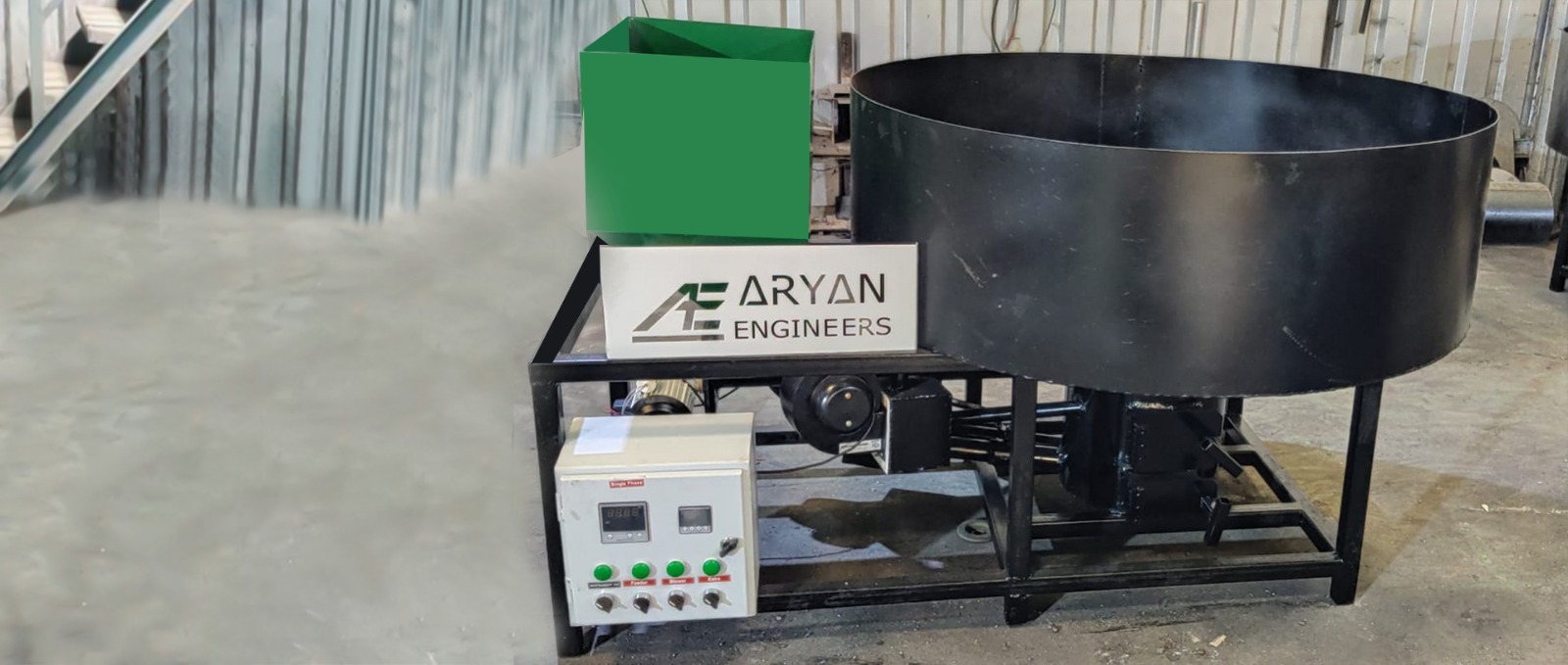
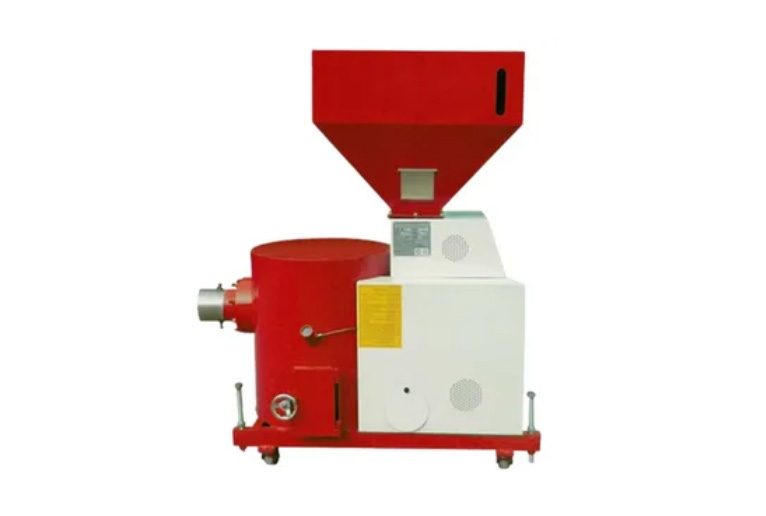
A wood pellet burner is a device that burns compressed wood pellets to generate heat. These pellets are made from organic materials such as sawdust, wood chips, and agricultural residues, making them a renewable energy source. The burner operates by feeding pellets into a combustion chamber, where they are ignited to produce heat. This heat is then distributed through a system of vents or radiators to warm the surrounding space.
Benefits of Wood Pellet Burners
- High Efficiency: Wood pellet burners are known for their high efficiency, typically ranging from 70% to 83%. This means that a significant portion of the energy in the pellets is converted into usable heat, minimizing waste (U.S. Department of Energy).
- Environmental Sustainability: As a form of biomass energy, wood pellet burners contribute to reducing greenhouse gas emissions. They produce fewer emissions compared to traditional wood stoves and fireplaces, making them a cleaner heating option (BKI).
- Cost-Effectiveness: While the initial investment may be higher than traditional systems, the cost of pellets is relatively stable and often lower than fossil fuels, leading to significant long-term savings (US Stove Company).
- Convenience: Modern wood pellet burners include features such as automated ignition, programmable thermostats, and remote control capabilities, enhancing user convenience (Energuide).
How Do Wood Pellet Burners Work?
Wood pellet burners operate through a series of steps:
- Pellet Feeding: Pellets are stored in a hopper and fed into the combustion chamber via an auger.
- Ignition: An electric igniter or pilot flame ignites the pellets.
- Combustion: The pellets burn in the combustion chamber, producing heat.
- Heat Distribution: The generated heat is transferred to the surrounding area through a heat exchanger and vent system.
This process ensures efficient and controlled heating.
Installation Considerations
- Location: Choose a location that allows proper ventilation and access to power. The burner should be placed on a non-combustible surface and away from flammable materials.
- Ventilation: Proper venting is crucial to safely expel combustion gases. Consult local building codes to ensure compliance.
- Professional Installation: Always have a certified professional install the burner to ensure safety and optimal performance.
Maintenance Tips
Regular maintenance is essential to keep your wood pellet burner operating efficiently:
- Clean the Burn Pot: Remove ash and debris weekly to maintain proper airflow.
- Empty the Ash Pan: Dispose of ashes monthly to prevent buildup.
- Inspect the Venting System: Ensure that the exhaust pipe is clear of obstructions.
- Check the Fans and Motors: Clean these components to ensure effective heat distribution.
- Annual Professional Inspection: Schedule a yearly checkup with a certified technician to ensure all components are functioning correctly.
Wood Pellet Burners vs. Traditional Wood Stoves
| Feature | Wood Pellet Burner | Traditional Wood Stove |
|---|---|---|
| Efficiency | 70%–83% | Varies; generally lower |
| Emissions | Lower | Higher |
| Fuel Source | Compressed wood pellets | Logs |
| Automation | High (e.g., programmable) | Low |
| Maintenance | Regular cleaning required | Less frequent |
Wood pellet burners offer higher efficiency and lower emissions compared to traditional wood stoves, making them a more sustainable choice.
Biomass Pellet Burners: A Sustainable Choice
Biomass pellet burners utilize organic materials, such as sawdust and agricultural residues, as fuel. This not only reduces waste but also lowers carbon emissions, contributing to environmental sustainability (Forge & Flame).
Conclusion
Wood pellet burners represent a modern, efficient, and environmentally friendly heating solution. By understanding their benefits, operational mechanics, installation requirements, and maintenance needs, you can make an informed decision about incorporating this technology into your home. Whether you're looking to reduce your carbon footprint or achieve cost savings, a wood pellet burner offers a viable alternative to traditional heating methods.
FAQs: Wood Pellet Burners & Biomass Pellet Burners
Q1: What is a wood pellet burner?
A wood pellet burner is a heating device that burns compressed wood pellets made from sawdust, wood chips, and agricultural residues. It generates heat efficiently while using renewable biomass fuel, making it an eco-friendly and sustainable alternative to traditional heating methods.
Q2: How does a biomass pellet burner work?
A biomass pellet burner works by feeding pellets from a hopper into a combustion chamber. The pellets are ignited using an electric igniter or pilot flame. The generated heat is then transferred through a heat exchanger and vent system to warm the surrounding space, providing controlled and efficient heating.
Q3: What are the benefits of using a wood pellet burner?
Wood pellet burners offer several benefits:
- High efficiency: 70%–83% of the pellet energy is converted to usable heat.
- Environmental sustainability: Lower greenhouse gas emissions compared to traditional wood stoves.
- Cost-effectiveness: The cost of pellets is relatively stable and often lower than fossil fuels.
- Convenience: Modern burners feature automated ignition, programmable thermostats, and remote control options for easy operation.
Q4: How often should I maintain my wood pellet burner?
Regular maintenance ensures optimal performance and longevity of your burner:
- Weekly: Clean the burn pot to remove ash and debris.
- Monthly: Empty the ash pan to prevent buildup.
- Regular checks: Inspect the venting system and clean fans and motors for effective heat distribution.
- Annually: Schedule a professional inspection to ensure all components are functioning properly.
Q5: Can wood pellet burners replace traditional wood stoves?
Yes. Wood pellet burners are more efficient, produce lower emissions, and offer modern automated features like programmable thermostats and remote control. This makes them a sustainable and convenient alternative to traditional wood stoves, ideal for both residential and commercial heating applications.