Biomass Pellet Making Machine Manufacturer: A Comprehensive Guide
In recent years, India has witnessed a significant surge in renewable energy initiatives, with biomass energy emerging as a pivotal component of this transformation. Central to this evolution is the role of biomass pellet making machine manufacturers, who provide the essential equipment for converting agricultural residues into high-density fuel pellets. This blog delves into the significance of these manufacturers, the technology behind biomass wood pellet machines, and how to select the right equipment for your business.
Understanding Biomass Pellet Making Machines
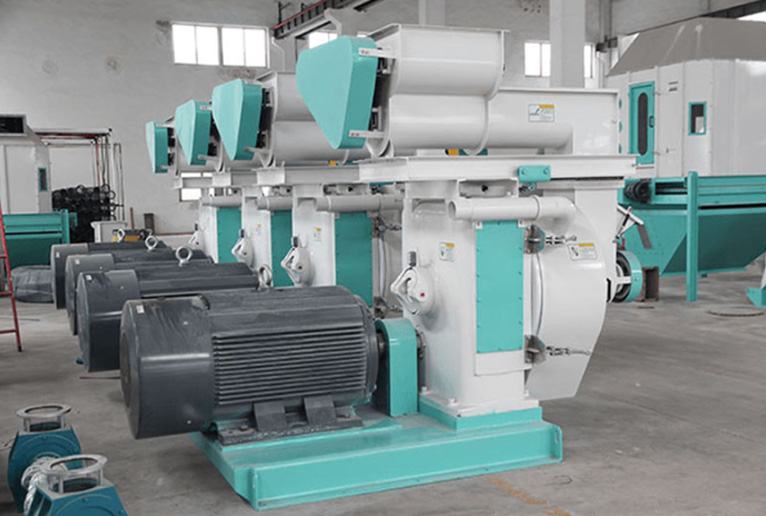
Biomass pellet making machines are specialized equipment designed to compress various biomass materials—such as sawdust, rice husk, and agricultural residues—into uniform, cylindrical pellets. These pellets serve as a renewable energy source, offering an eco-friendly alternative to traditional fossil fuels.
The process typically involves several stages:
- Grinding: Raw biomass materials are ground into fine particles.
- Drying: The moisture content is reduced to an optimal level, usually between 8% and 12%.
- Pelletizing: The dried material is compressed into pellets using a pellet mill.
- Cooling and Screening: The pellets are cooled and screened to remove any fines.
- Packaging: The final product is packaged for distribution.
Advanced biomass wood pellet machines incorporate features like ring die technology, variable speed control, and automatic lubrication systems to enhance efficiency and product quality.
Leading Biomass Pellet Machine Manufacturers in India
India boasts a diverse array of manufacturers specializing in biomass pellet making machines. Notable players in the industry include:
- Satyajit Machineries: Located in Rajkot, Gujarat, Satyajit Machineries offers a wide range of high-quality pellet machines and biomass processing equipment, with over 52 years of engineering experience.
- Aryan Engineers: Based in Pune, Aryan Engineers provides pellet machines with capacities up to 500 kg/hr, catering to biomass pellet production.
- Proveg Engineering: Operating from Vadodara, Proveg Engineering manufactures biomass pellet plants and pellet making machines, including Yulong pellet machines, offering solutions for both small and large-scale operations.
- Sigmatech Engineering: Known for its quality products, Sigmatech Engineering offers a wide range of pellet making machines from 15 HP to 50 HP, suitable for various biomass materials.
- Ronak Engineering: Based in Rajkot, Ronak Engineering provides biomass pellet machines with capacities up to 1500 kg/hr, designed for processing agricultural waste into pellets.
These manufacturers play a crucial role in supporting India's transition to sustainable energy solutions by providing the necessary machinery for biomass pellet production.
Factors to Consider When Choosing a Biomass Pellet Making Machine
Selecting the right biomass pellet making machine is pivotal for the success of your biomass pellet production venture. Key factors to consider include:
- Capacity: Assess the production capacity required to meet your business needs. Machines with capacities ranging from 500 kg/hr to several tons per hour are available.
- Material Compatibility: Ensure the machine can process the specific type of biomass material you intend to use, such as sawdust, rice husk, or agricultural residues.
- Energy Efficiency: Opt for machines that offer energy-efficient operations to reduce operational costs.
- Automation Level: Consider the level of automation that aligns with your workforce capabilities and desired operational efficiency.
- Maintenance and Support: Choose manufacturers that offer comprehensive after-sales support, including maintenance services and availability of spare parts.
By carefully evaluating these factors, you can select a biomass pellet making machine that aligns with your production goals and operational requirements.
Conclusion
Biomass pellet making machine manufacturers play an instrumental role in India's renewable energy landscape by providing the essential equipment for converting biomass into clean energy. By selecting the right machinery and considering factors like capacity, material compatibility, and energy efficiency, entrepreneurs can establish successful biomass pellet production ventures. With the government's support and a growing demand for sustainable energy solutions, the biomass pellet industry in India holds promising prospects for the future.
FAQs
Q1: What is the raw material required for biomass pellet production?
Common raw materials include sawdust, rice husk, wheat straw, sugarcane bagasse, and other agricultural residues.
Q2: What is the typical moisture content for raw materials?
The ideal moisture content ranges between 8% and 12% for efficient pelletization.
Q3: How long does it take to set up a biomass pellet plant?
The setup time varies based on plant size and complexity but typically ranges from a few months to a year.
Q4: Are there any government incentives for setting up a biomass pellet plant in India?
Yes, the Indian government offers various subsidies and incentives under renewable energy schemes to promote biomass energy projects.
Q5: What is the expected return on investment (ROI) for a biomass pellet plant?
The ROI depends on factors like plant capacity, raw material costs, and market demand but generally ranges from 2 to 3 years.